How we take AI from idea to operated system
Relayworks AI works in four phases: Diagnose, Build, Evaluate, Operate. A two-week diagnostic ends in a working prototype and an ROI model. A six-to-twelve-week fixed-scope build produces a deployed system with guardrails and an evaluation suite. Evaluation is measured against thresholds agreed in advance. Then someone operates it — you, or us.
Rather than a proposal
Most AI engagements are shaped around what the vendor wants to sell. This one is shaped around the two questions that actually decide whether an AI project works.
Should this be built at all, and can it be trusted once it is. Each phase produces something concrete, and each one is a genuine decision point where you can stop. That is deliberate — a method you cannot exit is a sales funnel.

Diagnose
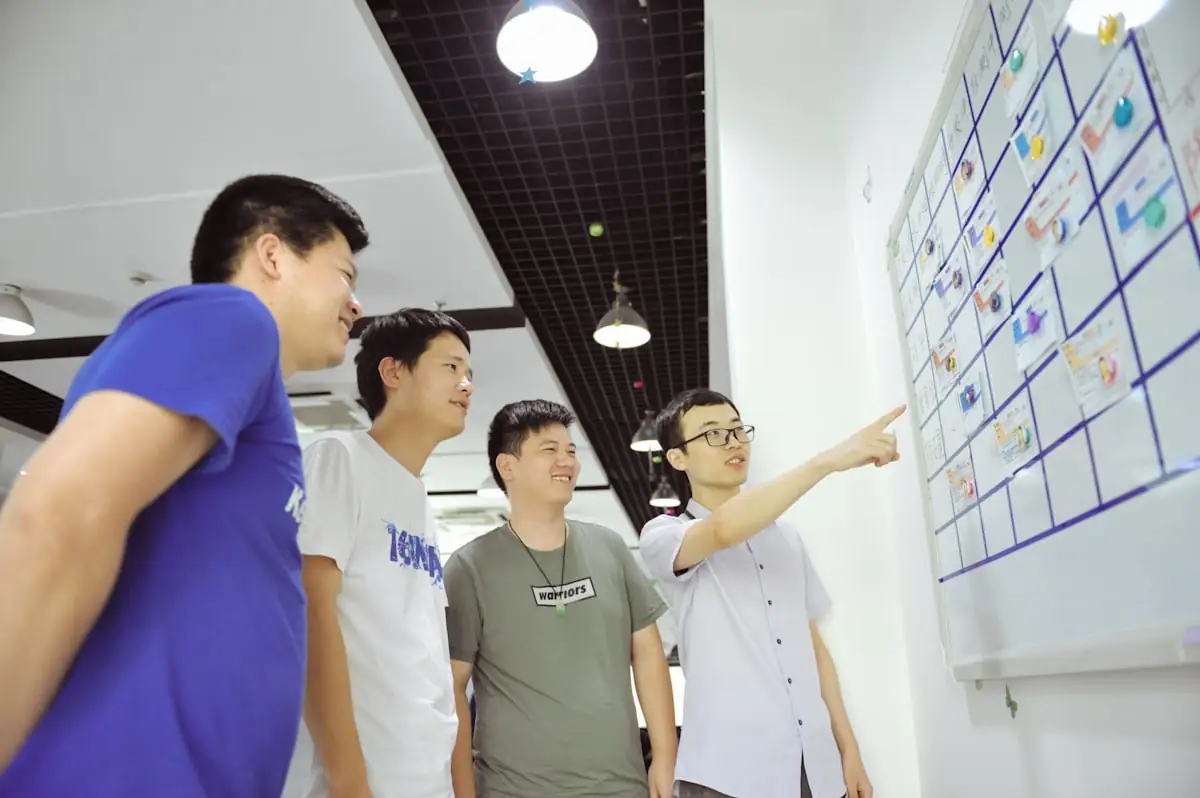
We map how the work is actually done, rank the automation candidates, and model the return with your numbers.
- Sessions with the people who do the work
- Data and systems readiness audit
- Opportunities scored on value, feasibility, risk
- ROI model from your volumes and costs
- Working prototype of the top candidate
Build
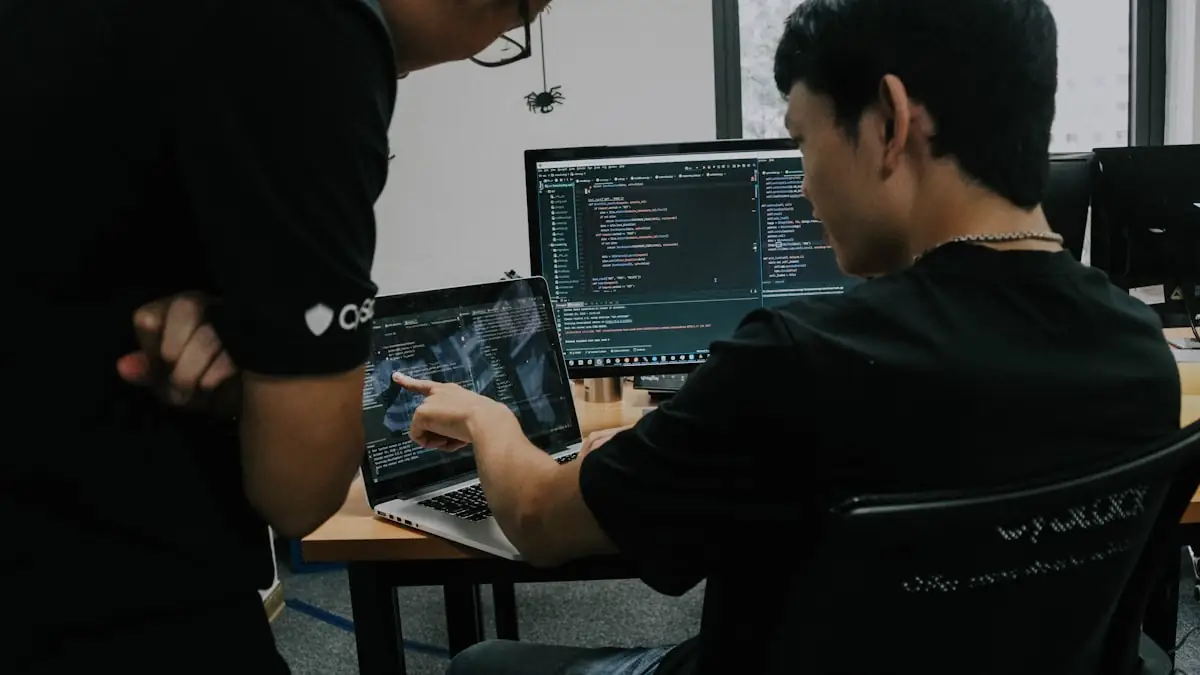
Fixed scope. The system, its integrations, its guardrails, and the tests that prove it works.
- Agent and workflow architecture
- Integration with your systems of record
- Guardrails, PII handling, confirm-before-commit
- Human escalation with full context
- Observability, tracing and cost instrumentation

Evaluate
Measured against a labelled set of your real cases, on thresholds agreed before we started building.
- Test set of 100–300 real labelled cases
- Task success, groundedness, retrieval quality
- Escalation accuracy and safety slice
- Latency p95 and cost per successful outcome
- Sign-off against pre-agreed thresholds

Operate
Systems degrade quietly. Someone has to be watching, and it has to be someone who understands the system.
- Continuous and scheduled evaluation runs
- Model migrations as new models ship
- Inference cost optimisation
- Incident response with defined severities
- Monthly report against the business metric

What the first two weeks look like
The diagnostic is not a discovery call in disguise. It is a compressed engineering and analysis exercise that ends in something running.
- Days 1–3
- Process mapping sessions with the people doing the work. We watch the work happen rather than reading a process document.
- Days 4–6
- Data and systems audit. What exists, where, in what state, and what access would take.
- Days 7–9
- Opportunity scoring and ROI modelling, using your volumes and your costs.
- Days 10–13
- Prototype build against real data, for the highest-ranked candidate.
- Day 14
- Readout: what to build, what not to build, what it will cost, and a demonstration.
What we commit to, in writing
| Commitment | What it means in practice |
|---|---|
| You own the code | Repository, evaluation suite and infrastructure definitions transfer to you. Contractual, not a courtesy. |
| Fixed scope | Builds are quoted as a scope with the number agreed before work starts. Overrun risk sits with us. |
| Evaluation before launch | No system goes live without measured performance against thresholds you agreed. |
| Senior delivery | The people who scope your work do your work. No handover to a junior team after signature. |
| Your data is not training data | Commercial API tiers with training disabled, or self-hosted models on your infrastructure. |
| We will tell you not to build | If a process is better fixed another way, that is the recommendation you get. |
Working with us
Thirty minutes. You describe the process; we ask about volume, data, systems and what it currently costs. At the end we tell you whether we think there is a case worth building. If there isn’t, we say so — that conversation costs you nothing and saves you a great deal.
Yes, if you already know the process, the data is accessible and the scope is clear. We would rather you didn’t on a first engagement — the diagnostic is how both sides find out whether we work well together, at a fraction of the cost of finding out during a build.
A decision-maker who can unblock access, one subject-matter expert available for a few hours a week, and someone in IT who can grant system access. Slow access approval is the most common cause of a delayed AI project.
A defect warranty period at no cost, then either your team operates it — with the runbook and evaluation suite we hand over — or we do, under a managed operations retainer.
Fixed scope for diagnostics and builds, with the number agreed before work starts, so delivery risk sits with us rather than you. Operations runs as a monthly retainer. We do not bill hourly — it misaligns the incentives on exactly the work where speed matters.
Let’s find out what AI can actually do in your business.
A 30-minute call. We will tell you honestly whether there is a case worth building — and if there is not, we will say so.